
Χρυσό δαχτυλίδι αρραβώνων 800 ετών του μεσαιωνικού Σέρβου βασιλιά Στέφαν Ράντοσλαβ,
Χρυσό δαχτυλίδι αρραβώνων 800 ετών του μεσαιωνικού Σέρβου βασιλιά Στέφαν Ράντοσλαβ,
By Owain Williams
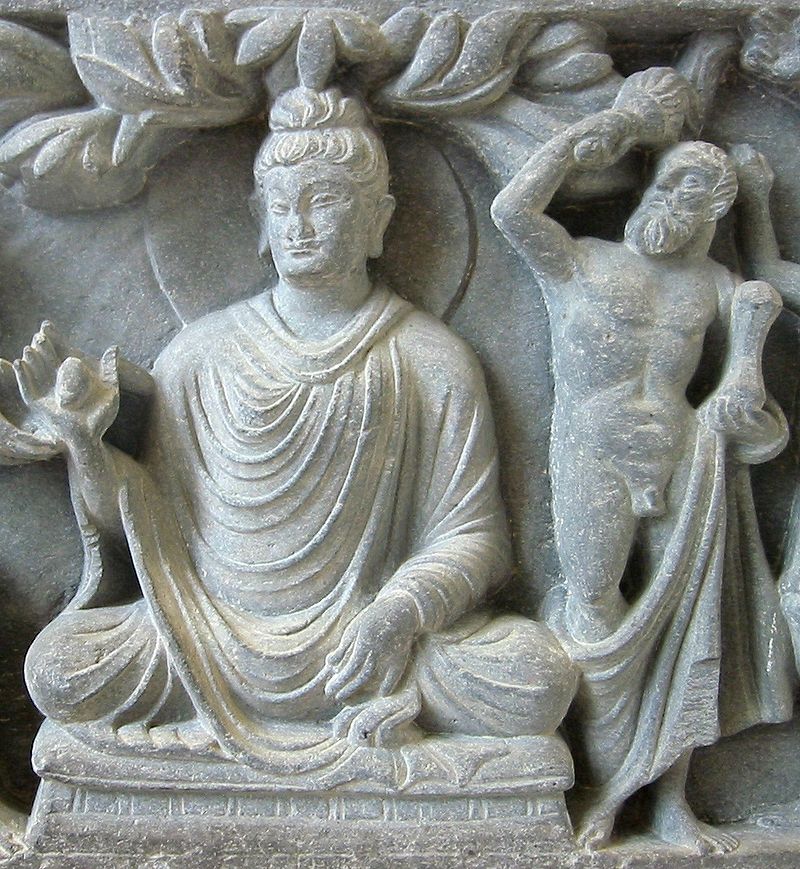
“Generally speaking, the men who hitherto have written on the affairs of India, were a set of liars,” at least, according to Strabo (2.1.9). It is this central premise that Richard Stoneman has set out to explore in his exploration of the cultural interactions between the ancient Greeks and Indians in The Greek Experience of India (Oxford: Princeton University Press, 2019). In his own words, “I hope to show that this encounter was more than an encounter between people … that two peoples grew and learned as a result of their familiarity with one another” (p. 2). Truly, this is an admirable ambition, the pursuit of which will lead the reader on an odyssey of hundreds of years, from the shores of the Aegean to the island of Sri Lanka.
 Nella necropoli di Tarquinia, patrimonio dell’Unesco, sono conservate
un gran numero di tombe a tumulo con camere scavate nella roccia, nelle
quali è conservata una straordinaria serie di dipinti, che
rappresentano il più cospicuo nucleo pittorico etrusco giunto a noi, e
al tempo stesso il più ampio documento di tutta la pittura antica prima
dell’età imperiale romana.
Nella necropoli di Tarquinia, patrimonio dell’Unesco, sono conservate
un gran numero di tombe a tumulo con camere scavate nella roccia, nelle
quali è conservata una straordinaria serie di dipinti, che
rappresentano il più cospicuo nucleo pittorico etrusco giunto a noi, e
al tempo stesso il più ampio documento di tutta la pittura antica prima
dell’età imperiale romana.
By Owain Williams
“Generally speaking, the men who hitherto have written on the affairs of India, were a set of liars,” at least, according to Strabo (2.1.9). It is this central premise that Richard Stoneman has set out to explore in his exploration of the cultural interactions between the ancient Greeks and Indians in The Greek Experience of India (Oxford: Princeton University Press, 2019). In his own words, “I hope to show that this encounter was more than an encounter between people … that two peoples grew and learned as a result of their familiarity with one another” (p. 2). Truly, this is an admirable ambition, the pursuit of which will lead the reader on an odyssey of hundreds of years, from the shores of the Aegean to the island of Sri Lanka.

Το βασίλειο των Σελευκιδών, κληρονόμος στην Ανατολή των κατακτήσεων του Αλεξάνδρου, συγκεντρώνει εξαιρετικά διαφορετικούς πληθυσμούς, αλλά σπάνιες είναι οι πηγές που υιοθετούν την άποψη των τοπικών μη ελληνικών κοινοτήτων ενταγμένων σε αυτό το τεράστιο σύνολο. Αυτό το βιβλίο στοχεύει να παρέχει εύκολη πρόσβαση στα βαβυλωνιακά κείμενα, τα οποία δικαιώνουν τις πολλαπλές επιρροές τους, τα ελληνομακεδονικά από τη μια, τα σουμεροακκαδικά από την άλλη.

Κάστρο Ούρκουχαρτ, ένα ερειπωμένο κάστρο που βρίσκεται δίπλα στο Λόχ Νέςς στα νησιά Χάιλαντς της Σκωτίας.

The Ptolemy world map is a map of the world known to the Roman Empire in the 2nd c. AD. It is based on the description contained in Ptolemy’s book Geography, written c. 150.
Ο Χάρτης του Πτολεμαίου


